

Mobile Trigger Point Therapy
What Is a Trigger Point?
Muscle knots, or trigger points, are tight spots in your muscles that can cause pain—sometimes even in another area of your body. For example, a knot in your neck could give you a headache. Many people notice these knots become more painful when life gets busy and it’s hard to find time for treatment.
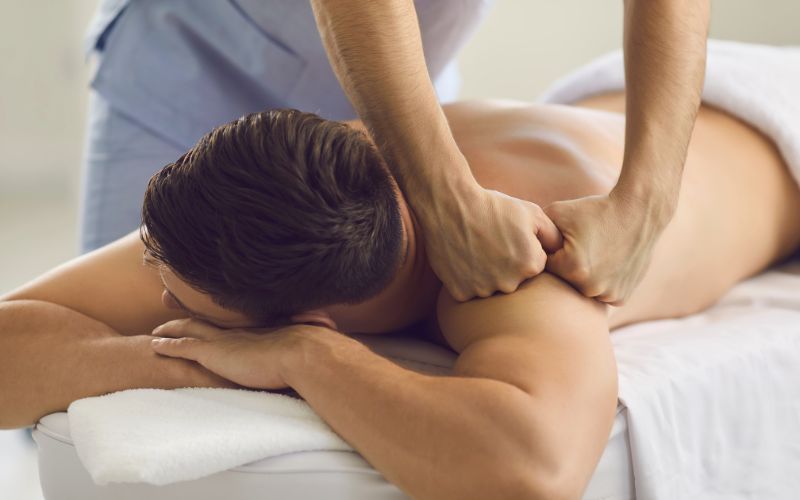
How Does Mobile Therapy Work?
A mobile trigger point therapist brings everything needed—like a massage table—to your location. You don’t need to drive or wait in traffic. Book a session at your office, home, hotel, or even a boat. The goal is simple: let you get care where and when you need it.
Therapy That Fits Your Life
- Office sessions help relieve pain from sitting at a desk.
- Home visits work well for busy people or parents.
- Hotel and travel visits ease aches from long trips.
- Yacht visits are for those who want care on the water.
What Does a Trigger Point Therapist Do?
A trigger point therapist does more than a standard massage. They find the real source of your pain, even when it shows up somewhere else. Their training in anatomy helps them track down and treat knots that might be causing headaches, back pain, or other issues.

Their Unique Skills
- Trained to spot hidden muscle knots.
- Understand pain that travels to different body parts.
- Use hands-on methods to relieve tension and pain.
How Is Trigger Point Therapy Different?
Unlike regular massage, trigger point therapy focuses on the tightest points in your muscles. Therapists use firm, steady pressure to help loosen these knots. You may feel direct but helpful pressure, not only long strokes.
Types of Techniques
- Manual Release: Direct, steady pressure helps the knot release.
- Myofascial Release: Gentle stretching targets the tissue around your muscles.
Each session is tailored to fit your pain and your lifestyle.
What Happens in a Typical Session?
Your session starts with a short chat about your pain and your daily habits. The therapist uses that information to decide where to begin. Techniques can include pressing on the knots or gently stretching the area.
Custom Care Every Time
- Office workers may need help with neck and shoulders.
- Travellers often need lower back and hip work.
- Each visit aims to make you feel better fast.
Booking and What to Expect
The therapist comes to you with all the needed gear. You only need a small, private area. Sessions at work are fast and focused, home visits are quieter and more private, and travel sessions are flexible. After care, you can easily get back to your day.

How To Choose a Good Therapist
- Check for qualifications like a Diploma of Remedial Massage or Advanced Diploma of Myotherapy.
- Ask about their experience with your kind of pain.
- Make sure they belong to a professional group and have insurance.
- Read reviews or testimonials for extra peace of mind.
After Your Session
The therapist will talk with you about what happened in the session and what you can do to help your body heal.
Recovery Tips
- Drink water to help clean out muscle waste.
- Take an easy walk or stretch gently.
- Avoid tough exercise for a day so your muscles can recover.
Frequently Asked Questions
How is this different from deep tissue massage?
Trigger point therapy goes straight to the source of the pain—a specific knot—while deep tissue massage is broader and spreads out pressure more evenly.
Will it hurt?
You might feel a strong sensation, but it should be the kind of good ache that means your muscle is letting go. Speak up if it ever feels too much.
How often should I book?
This depends on your situation. Some people start with weekly visits, then move to monthly once the pain is under control.