

Massage for Arthritis Hands
Arthritis in the hands isn’t just a physical challenge, it’s a daily sigh of frustration. You know that moment when you try to open a jar or grip a tool, and your hands just don’t cooperate? It’s like they’re stuck in a stubborn fog of stiffness and soreness.
So, what if there was a simple, soothing way to ease some of that pain without reaching straight for medication? Massage for arthritis hands might just be that gentle relief you’ve been searching for. It’s not magic, but the right touch can do wonders to loosen tight joints, boost blood flow, and help you move with less discomfort.
Think about it this way: your hands are your frontline tools, especially if you’re part of the agricultural or industrial community in Queensland, where every day demands strength and dexterity. When arthritis slows them down, it’s not just the pain that gets you, it’s how it edges into your work, your hobbies, even your moments of rest.
Now, I’m not promising a cure, but massage can be a game-changer. Whether it’s a professional therapist in Cleveland or Redland Bay or simple self-massage techniques, these movements might help your hands feel a little freer, a little less like obstacles.
If you’re curious about how massage fits into managing arthritis, you’re in the right place. We’ll explore practical ways to ease those aches and maybe even regain some of that lost grip. Ready to see what your hands can feel like when they get some well-deserved care? Let’s dive in.
For more insights on natural ways to support your wellbeing through massage, check out effective tension headache massage techniques for relief that many locals find beneficial for overall pain.

Pain Doesn’t Have To Rule Your Life
Living with arthritis in your hands is tough… everyday tasks feel harder, and pain can sneak into everything you love doing. Massage for arthritis hands isn’t a miracle cure, but it can ease tension, improve blood flow, and help you move with less discomfort.
Whether you’re a farmer wrestling with tools or someone just wanting more grip, these simple techniques might be just the relief you’ve been looking for.
Understanding Arthritis in Hands: Causes and Symptoms
Ever felt that stubborn ache in your fingers or a stiff thumb that just won’t loosen up in the morning? You’re not alone. Arthritis in the hands is one of those sneaky conditions that can creep up and quietly become a hurdle in your everyday life, especially if your hands are your main tools—like many farmers and industrial workers out there.
So, what’s really going on inside your hands when arthritis takes hold? Let’s unpack it together.
What Is Arthritis in the Hands?
Think of your hand joints as tiny shock absorbers, cushioned by cartilage that helps bones glide smoothly when you bend or grasp. Arthritis is the breakdown of that cartilage or inflammation in the joint lining, causing bones to rub painfully against each other. Over time, this can lead to swelling, stiffness, and even changes in the shape of your fingers or thumb.
This isn’t just about occasional ache; it can turn simple tasks, like gripping your tools, opening a jar, or even holding a cup—into frustrating challenges.
Common Types and Their Roots
Two main types usually affect the hands:
- Osteoarthritis (OA): This is the most common kind and shows up when cartilage wears away—think of it like worn-out padding on your boots after years in the field. It often targets the base of your thumb and finger joints.
- Rheumatoid arthritis (RA): Here, your immune system mistakenly attacks your joints, causing inflammation that’s more aggressive and can affect not just cartilage but surrounding tissues.
There’s also psoriatic arthritis, which links to psoriasis, but that’s a conversation for another coffee chat.
Age plays a big role; women over 50, for example, are more prone to thumb arthritis because of hormone-related ligament changes. Plus, past injuries like a wrist fracture can quietly set the stage for arthritis years down the line.
Spotting Arthritis: What to Look For
So you’re wondering—how do I know if that pain in my hand is arthritis and not just soreness from a long day?
Here are some early signs to watch out for:
- Pain and tenderness in finger joints or thumb base, especially after activity.
- Swelling and stiffness that’s worst in the morning or after rest.
- Reduced grip strength, making it tougher to hold small objects or twist lids.
- Visible bumps or deformities, like those little nubby bone growths called Heberden’s nodes.
Does this sound familiar? Don’t brush it off, because arthritis in the hands tends to worsen if ignored.
Doctors often use a mix of physical exams and X-rays to confirm arthritis and its type, checking for cartilage loss or bone spurs. Blood tests may also help if rheumatoid arthritis is suspected.
Why Does It Matter?
Here’s the kicker—your hands do so much heavy lifting, especially in agricultural and industrial settings. With arthritis, even small movements can become painful, and many folks find themselves avoiding chores or slowing down just to cope.
That’s where gentle care like massage for arthritis hands comes into the picture—it’s not a fix-all, but it can ease the stiffness and boost circulation, helping you stay nimble longer.
Want to dig deeper into managing symptoms? There’s a ton of useful info on the Cleveland Clinic’s comprehensive guide to hand arthritis that lays it all out in plain language.
And if you’re curious about how arthritis differs from other hand pains, like tendonitis, which often gets mistaken for arthritis, you might find the analysis at UChicago Medicine’s article on distinguishing arthritis symptoms especially eye-opening.
If your hands have been acting up lately, don’t wait for “one day” to get better. Notice the signs, ask questions, and explore easy ways to care for your joints—which might include a bit of self-massage or professional help. It’s about grabbing back control, one finger at a time.
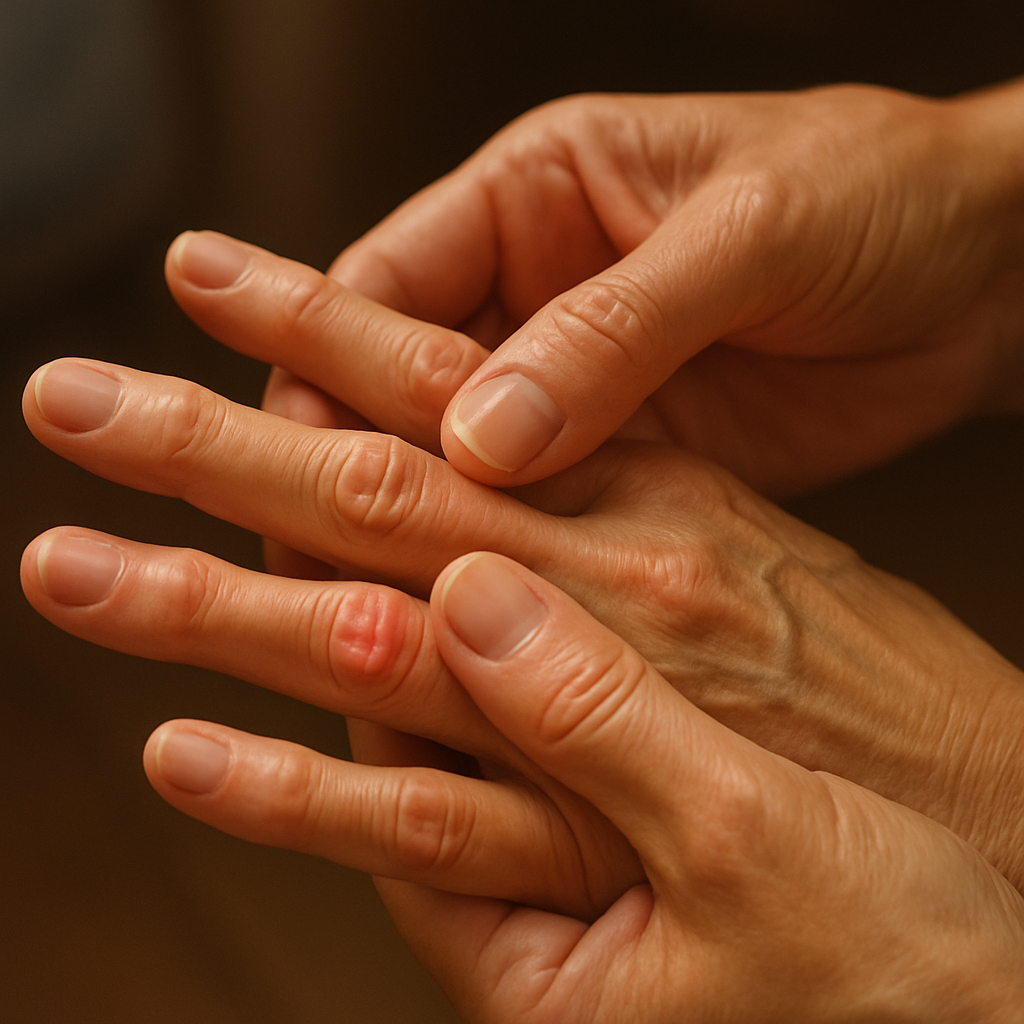
Types of Massage Effective for Arthritis Hands
If you’re wrestling with stiff, achy hands from arthritis, you’re not alone, and figuring out what kind of massage actually helps can feel like a whole puzzle. Here’s the thing: not all massages are created equal, especially when those sore joints are involved. But don’t worry. I’ve broken down some of the best types of massage for arthritis hands that you can try yourself or book with a pro.
1. Gentle Swedish Massage
Think of Swedish massage as the friendly handshake of massages, easy, calming, and soothing. It uses light to medium pressure with long, gliding strokes over your hands and wrists. This type is perfect if your joints are inflamed but you still want a gentle way to ramp up circulation and ease muscle tension. Swedish massage helps relax the hand muscles and improve blood flow without stressing your joints too much.
Just imagine those tender strokes loosening up the grip of pain and stiffness, it’s like giving your hands a little holiday. And if you’re after a nice introduction to massage for arthritis hands, this is a solid pick.
2. Lymphatic Drainage Massage
Have you noticed your fingers puffing up after a long day? That swelling can be a pain in the neck—and the hands. Lymphatic drainage massage uses light, rhythmic movements to encourage your body’s natural drainage of excess fluids. For arthritic hands, gently clearing that swelling can reduce painful pressure inside the joints.
This massage isn’t about deep pressure, so if you ever felt worried that a massage would make things worse, lymphatic massage is an excellent gentle option. It’s often used alongside other treatments and is backed by healthcare providers as a way to manage inflammation according to the Arthritis Foundation.
3. Trigger Point Therapy
Okay, now this one gets a bit more interesting. Trigger point therapy targets those stubborn “knots” that can develop in your muscles and tendons around the hand. In arthritis, these tight spots sometimes crank up the pain beyond the joints themselves.
Using steady pressure on these specific points can help release tension and improve hand mobility. Of course, this isn’t an aggressive deep tissue kind of pressure, it’s intentional and focused, often done by someone trained who knows where to press without causing extra pain.
If you’re curious about trying something a bit more targeted, trigger point therapy might level up your massage game while calming irritating nerve endings.
4. Warm Stone Massage
This one feels downright luxurious—and the warmth actually makes a difference. Heated stones placed gently on the hands and forearms help relax muscles and increase blood flow. That heat melts some of the stiffness and makes massage strokes glide more smoothly over sensitive areas.
Warm stone massage offers a comforting warmth sensation that can really help with stiffness and anxiety tied to chronic hand pain. Just imagine sinking into that soothing heat, feeling your arthritis tension slowly ease away.
5. Myofascial Release
The fascia is this thin layer of connective tissue wrapping your muscles and joints. In arthritis, it can get tight or sticky, restricting movement and adding to discomfort. Myofascial release uses gentle but sustained pressure to stretch and loosen this tissue.
It’s subtle but effective. People often notice improved hand flexibility and reduced tightness after sessions. If you’ve tried massages before and felt like your hands were still restricted, this might be the missing piece.
Here’s a quick question: ever tried using self-massage techniques on your hands that combine stretching and pressure? We have some handy guides on techniques like these that are accessible and easy to follow.https://www.youtube.com/embed/wUrnrQ3ZQAE
6. Reflexology for Hands
Reflexology isn’t just fancy footwork. It involves applying pressure to specific points on your hands believed to correspond with other parts of the body. While the science can be a bit fuzzy, many people with arthritis find it soothing and helpful for managing discomfort and anxiety.
Think of it as a form of relaxation with extras a kind of resetting that might ease your pain perception and help you feel more in control of your symptoms.
So, what should you do next?
If you’ve never had a massage specifically for arthritis hands, maybe start simple. Try gentle Swedish massage or a bit of warm stone therapy at home or with a trusted therapist. If you want to dive deeper, ask about trigger point or myofascial release techniques.
And if you’re scratching your head wondering which is best for your unique arthritis situation, chatting with a healthcare professional first never hurts. They can help tailor what might work best alongside your current treatment plan.
At the end of the day, a good massage isn’t about magic—it’s about paying attention to what your hands really need. Combining massage with other care like exercises or warmth can add up to lasting relief. It’s a small win—but sometimes that’s exactly what keeps you farming, working, and moving through the day.
Want more ideas on everyday self-care? Check the Main Blog Page for tips to keep you moving strong, hand in hand.
Step-by-Step Guide to Self-Massage for Arthritis Hands
Living with arthritis in your hands can sometimes feel like your own fingers have decided to put you through a challenge course. Stiffness, pain, and that nagging ache that just won’t quit, it’s tough. But here’s the thing: you can take some control back with a bit of self-massage. Seriously, a few minutes spent giving your hands some TLC can help soothe discomfort and boost flexibility.
So, how do you get started? Let’s walk through a simple, step-by-step self-massage routine designed specifically for arthritis hands. It’s easy, gentle, and you can do it almost anywhere—whether you’re taking a break from the farm, the workshop, or just lounging at home.
Step 1: Get Comfortable and Warm Up
Start by finding a cozy spot, maybe near a window or in your favorite chair. Warmth is your friend here—it helps relax the muscles and soothes those inflamed joints. If you have a warm towel or soak your hands in lukewarm water for a few minutes, that’s perfect.
Once your hands feel a bit looser, rub a little lotion or natural oil on them. This not only helps your fingers glide smoothly during the massage but also adds a touch of hydration. You don’t need anything fancy a simple, fragrance-free moisturizer or olive oil works great.
Step 2: Focus on the Palm
Start with your palm the heart of your hand where a lot of the stress tends to gather. Use your opposite thumb to press gently into the palm, making small circular motions. Don’t press too hard; think gentle, steady, like you’re kneading soft dough. Move around different areas of the palm, paying attention to any spots that feel especially tight or sore.
Try this for about 1-2 minutes. You’ll feel warmth building and, hopefully, a sense of release. This technique can help improve circulation and ease stiffness, according to hand therapy insights.
Step 3: Massage Each Finger
Now, time to show the fingers some love. Take one finger at a time and gently slide your thumb and index finger around it. Start at the tip, giving a soft squeeze, then slowly work downward toward the palm. This isn’t a race, so go slow. Stretch out any tension trapped along each finger’s length.
If you hit a tender spot, linger there a bit with circular pressure—it might be exactly what your hand needs. Remember, the goal here isn’t to push through pain but to coax relief.
Bonus Tip:
If your fingers feel stiff, try gently pulling them straight out from the palm after massaging. It’s like giving your joints a tiny stretch to encourage flexibility.
Step 4: Don’t Forget the Thumb
The thumb is a busy joint, gripping, pinching, supporting. It deserves special attention. Use your opposite hand’s fingers to massage the base of your thumb in small circles. Then, gently squeeze along the thumb bone from the base up to the tip.
It might feel strange at first, but the thumb’s joint is a common trouble spot for arthritis and massaging it can help reduce some of that built-up tension.
Step 5: Work on the Wrist and Forearm
Your wrist and forearm muscles play a big role in hand movement, so it’s worth giving them some care too. Use your opposite hand to rub the underside of your wrist and forearm with long, soothing strokes. This can help ease the grip and support your hand’s function overall.
Think of it like loosening the ropes that tug on your hand. Often, tension starts here and travels down into your fingers.
Step 6: Wrap Up with Gentle Stretching
After your massage, gently open and close your hands a few times to wake up the joints. Try to stretch each finger back just a bit without forcing it—you want a nice, easy stretch, not pain.
Doing these stretches right after your massage can enhance the benefits, keeping your hands looser longer.
How Often Should You Massage?
Honestly, there’s no one-size-fits-all schedule, but many find that daily sessions, even just five minutes make a difference. If you’re farming long days or spending time on machinery in the Redland Bay or Cleveland areas, squeezing in a self-massage break can feel like a mini-vacation for your hands.
And remember, if anything hurts or feels worse during the massage, stop and maybe chat with a healthcare professional. You want to help your hands, not upset them.
One more thing: pairing massage with some light hand exercises can be a game-changer. Experts suggest combining massage and movement to reduce pain and increase flexibility. It’s a simple combo that respects the way your joints move and heal.
So, what’s your takeaway?
Self-massage for arthritis hands isn’t about curing your condition overnight. It’s about giving your hands a bit of kindness, helping ease the day-to-day tightness, and maybe gaining back some freedom of movement. Next time you feel that familiar ache creeping in, give this routine a go. Your hands—and your whole day—might just thank you.
Professional Massage Services for Arthritis Hands in Cleveland and Redland Bay
Feeling those stiff, swollen hands after a long day on the farm or tinkering with machinery is no joke. If arthritis has started to gatecrash your daily routine, you’re not alone; and frankly, you deserve a break that actually helps. That’s where professional massage services tailored just for arthritis hands come into play, right here in Cleveland and Redland Bay.
You see, arthritis isn’t just about aches. It tightens up joints, makes simple tasks feel like a battle. And sometimes, no matter how much you pamper yourself at home, you need an expert’s touch. Someone who gets it. The good news? Local therapists in these areas have the know-how to carefully target those painful spots without pushing you over the edge.
Why Choose Professional Massage?
Sure, self-massage can bring relief, but professional sessions bring a game-changer. These therapists are trained to understand exactly how arthritis affects your hand muscles, tendons, and joints. They use techniques — think gentle kneading, compression, and mobilization, that work deeper than a quick rub.
Ever had that moment when you finish a massage and your hands feel light, even a bit renewed? That’s not magic that’s skilled treatment helping to improve blood flow, reduce inflammation, and break down the stiffness that’s been holding you hostage.
Plus, professionals know how far to go. They listen. They don’t just treat your hands; they guide you on what to do between sessions. That could mean simple exercises or lifestyle tweaks that make a world of difference long-term.
What to Expect Locally
In Cleveland and Redland Bay, you’ll find therapists who specialise in hand and upper limb conditions — including arthritis. Some of them even focus exclusively on this area because, let’s be honest, your hands deserve all the attention. These experts combine massage with rehab techniques tailored to your texture of pain and mobility.
If you’re wondering where to start, check out clinics like the ones mentioned by local hand therapy specialists in Brisbane region. While not exactly in Cleveland or Redland Bay, they’re close enough to set a standard on what to look for—qualified physiotherapists or occupational therapists with a focus on hands and wrists. Finding someone nearby who knows how to handle arthritic joints gently is crucial.
And if you lean towards massage therapists who come to you, the mobile massage options in Redland Bay might be just the ticket — easing everything in your own space, at your pace.
Keep in Mind: Therapy Is a Journey
Look, there’s no one-and-done solution here. Professional massage is part of a bigger picture; think pain management, improved function, and better quality of life. Book a few sessions, see how your hands respond. Notice what triggers discomfort or relief. Then, keep the conversation going with your therapist.
It’s a partnership. And when it’s done right, it can help you reclaim your hand strength and flexibility over time.
Planning Your Visit
Now, before you book, ask yourself: is the clinic staffed by therapists trained specifically in hand or upper limb conditions? That’s a big deal. Therapists with this speciality understand the particular quirks of arthritis pain, unlike general massage practitioners.
Also, consider practical stuff: are the appointment times flexible around your farming schedule? Can they offer advice on preventative care between visits? These little details matter when juggling a busy life.
Oh, and one more thought — if you’re curious about combining massage with other strategies, we’ve touched on pairing it with light exercises earlier, like in the tips for tension relief in this area. Similarly, combining professional massages with gentle movement keeps your hands happier for longer.
If you feel stuck on where to look, tapping into local word-of-mouth or asking your GP for a hand therapy recommendation can lead you to trusted professionals with the right skills.
Don’t settle for quick fixes that just scratch the surface. Your hands handle so much; let the experts help you nurture them back to health.
Ready to take action? Start with a chat to a qualified hand therapist or professional massage provider nearby, and see what a difference an informed, careful touch can make for managing your arthritis hands in Cleveland or Redland Bay.

Comparison of Massage Options: At-Home vs Professional Treatments
If you’re wrestling with arthritis in your hands, figuring out whether to try a DIY massage at home or book in with a pro can feel like one more headache on top of it all.
Here’s the thing: both options have their perks, but they’re really different experiences—and knowing what each brings to the table can make all the difference. So, let’s unpack this a bit.
At-Home Massage: Convenience Meets Control
There’s something comforting about taking matters into your own hands, literally. At-home massage for arthritis hands lets you squeeze in relief exactly when you need it. No appointments, no driving, no waiting rooms.
You might use your fingers to gently knead stiff joints, or those nifty tools like massage balls and handheld rollers designed to ease arthritis discomfort. The great part? You control the pressure and focus areas, adjusting as your hands feel each day.
But here’s a catch: without proper technique or knowledge, you might miss spots that need more attention or, worse, press too hard and cause irritation. Plus, it’s easy to slack off when no one’s counting on you. Consistency can be a struggle.
Professional Treatments: Expert Touch and Tailored Care
Now, professional massage therapists bring years of training and skill. They understand arthritis hands—what to do, where to be gentle and when to apply a bit more pressure. That kind of tailored approach can unlock relief you might not manage solo.
Many pros in Cleveland and Redland Bay offer specific treatments combining techniques like Swedish massage, trigger point therapy, or gentle myofascial release. Some even incorporate heat therapy to soothe inflamed joints.
The biggest win? You get to relax fully while someone else handles the work. Plus, therapists can offer personalized advice for ongoing care and exercises to pair with your sessions.
The downside? Scheduling can be tricky with busy farm or industrial lives. It costs more, and let’s be honest, it’s not always possible to fit in regular visits.
Which Is Better for You?
Think about your lifestyle and what you need most. Is it flexibility? Then at-home massage might be your best mate. Need expert guidance to tackle stubborn aches? Professional sessions could deliver more consistent relief.
Honestly, many find a combo works wonders, home massages to keep stiffness at bay between professional treatments. It’s kind of like tending your crops daily but calling in specialists when the soil needs serious care.
Wondering how to choose? Ask yourself a few quick questions:
- How much time can I realistically dedicate to massage?
- Do I feel confident using tools and techniques on my own?
- Am I looking for long-term relief that might require professional insight?
Neither choice is set in stone. You can always start small at home and see how your hands respond. If pain sticks around, booking a session with a skilled massage therapist local to Cleveland or Redland Bay could be the game changer.
| Feature | At-Home Massage | Professional Treatment |
|---|---|---|
| Convenience | Free to do anytime, no appointments needed | Requires scheduling; less flexible |
| Expertise | Depends on your knowledge; risk of incorrect technique | Trained therapists with arthritis-specific skills |
| Cost | Generally low; investing in tools optional | Higher; costs per session can add up |
| Customization | Limited by your ability to assess needs | Tailored to your specific arthritis symptoms |
| Effectiveness | Helpful for maintenance and mild relief | Better for significant, targeted pain management |
One last nugget: massage isn’t a cure-all, but it can be a powerful part of managing arthritis in your hands, especially when combined with exercise or other treatments. For a solid overview of massage types and their benefits, the Arthritis Foundation offers a helpful guide.
And if you’re weighing massage alongside other pain relief options, it’s worth checking out expert comparisons like the overview of pain medications for osteoarthritis to get the full picture.
So, whether you roll out your own routine at home or lean on the professional touch, the goal is the same: to help your hands keep working for you, day in and day out. Why not give both a go and see what your hands smile about the most?
Precautions and When to Avoid Massage for Arthritis Hands
Let’s be real for a moment: massage for arthritis hands sounds great, right? The idea of easing pain, loosening tight joints, and feeling some relief is tempting. But before you dive in or book that session, there are some important brakes you need to apply.
First off, not all arthritis is created equal. Think about rheumatoid arthritis (RA) versus osteoarthritis. RA is an autoimmune condition where your immune system is actively attacking your joints, causing inflammation. When your arthritis is flaring—those days when your hands feel swollen, tender, or downright angry—massage might actually do more harm than good. You don’t want to push or knead inflamed tissues, because that can spark more pain or a flare-up.
Are you suddenly wondering how to tell if your hands are in that ‘danger zone’? A good rule of thumb is to avoid massage during active flares or if your skin around the joints looks red, hot, or is unusually sensitive to touch. If you’ve got nodules, skin breaks, or infections, massage is off the table entirely until healed.
Check in with your healthcare provider first
Sometimes we’re eager to try everything under the sun to find relief, especially if the ache feels relentless. But with arthritis, it’s wise to get the green light from your doctor before starting massage therapy. They can help confirm it’s safe and might even recommend specific techniques or times that work best for your unique situation.
A professional massage therapist will also want to know your medical history upfront—so don’t hesitate to share your arthritis diagnosis, any medications you’re on, and how your hands currently feel. This lets them tailor the massage just right, avoiding any moves that could worsen your symptoms.
Gentle is your best friend
Even when your arthritis is stable, massage for arthritis hands should still be gentle. Deep, aggressive pressure might sound like it could “fix” stuff, but honestly, it risks irritating already sensitive joints. The goal is to encourage blood flow, ease muscle tightness, and help your joints feel supported—not to aggressively move or crack stiff fingers.
It’s also worth mentioning that if you have comorbid conditions—like blood clots, severe osteoporosis, or uncontrolled diabetes—massage might come with additional risks. These are the kind of nuanced details your healthcare provider and therapist should discuss to keep you safe.
So, when should you skip massage altogether?
Avoid massage if you have:
- Active joint flares characterized by swelling and warmth
- Open wounds, infections, or skin conditions on your hands
- Unexplained numbness or tingling that suddenly appears
- Severe bone degeneration or fractures related to your arthritis
- Other serious health conditions that increase bleeding or infection risks
If you’re not feeling quite right or unsure about your symptoms, it’s seriously okay to hold off and seek medical advice. Sometimes, less is more.
One last thing: remember, massage for arthritis hands isn’t a magic cure—it’s part of a bigger toolbox. Combining it with the right exercises, medication, and lifestyle changes is where you’ll find real wins. Check out the Australian Massage Therapy Association’s insights on tailoring massage for rheumatoid arthritis or browse some practical advice on the benefits and precautions of massage for arthritis to keep your approach balanced and safe.
At the end of the day, listen to your hands—if something feels off, pause. But if massage feels like a gentle hug to your joints, it’s probably worth exploring carefully.
Conclusion
So here we are -> looking back at massage for arthritis hands. You might be wondering, does it really make a difference? Honestly, it’s not a silver bullet, but it can feel like a small win when your hands ache less or just enjoy a moment of relief.
Think about it like tending a garden. You don’t expect the flowers to bloom overnight, but with steady care—gentle massage, exercises, the right meds, you get something that feels alive and more manageable.
If your hands ever scream “slow down” or “that’s too much,” listen. It’s not about pushing through but finding a rhythm that suits you. And if you’re in Queensland’s Cleveland or Redland Bay areas, you’re lucky to have massage therapists familiar with these compassionate approaches tailored for arthritis.
Why not start small? Maybe a few minutes of gentle rubbing or warming compress before diving into your day. See how it feels. Notice what works, and be ready to tweak.
At the end of the day, massage for arthritis hands is just one tool in your toolkit. Combine it wisely with your other treatments, and you might find those stubborn joints a little easier to live with. Give it a shot—you owe your hands that little bit of kindness.
Frequently Asked Questions about Massage for Arthritis Hands
You’re probably sitting there wondering if massage for arthritis hands is actually worth your time, right? Well, you’re not alone. There are loads of questions swirling around this topic. Let’s dive into some of the most common ones—no fluff, just what you really want to know.
Does massage actually help reduce arthritis pain in my hands?
Short answer: yes, it can. Massage helps increase blood flow and relaxes stiff muscles around your joints. Think about that tight feeling after a long day, massage can ease that grip and sometimes even ease the pain, if only for a little while. It’s not a cure, but it’s a handy relief tool you can fold into your routine.
How often should I get a massage for my arthritis-affected hands?
Here’s the thing: it depends on what feels right for you. Some folks find relief with daily self-massage or gentle braids of warm oils before bed. Others might schedule weekly sessions with a therapist in Cleveland or Redland Bay. Start small—maybe a few minutes each day—and see how your hands respond.
Are there massage techniques I should avoid?
Yes, there are. Pressure that feels painful or aggressive can actually make inflammation worse. Deep tissue massage might sound tempting, but gentler techniques like effleurage (light stroking) or kneading are kinder to arthritic joints. It’s okay to speak up during a session and say, “Hey, that’s a bit much!” Your therapist wants you to feel good, not sore.
Can I massage my own hands, or do I always need a professional?
You can absolutely do it yourself! Self-massage is a great way to keep your hands moving without scheduling appointments. Use your opposite thumb to gently stroke between your knuckles or circle the base of your thumbs. Warm compresses before massage can unlock some tightness, too. But don’t hesitate to book a session if you want an expert’s hands on your problem joints.
Will massage help if my arthritis is severe?
Massage can still be part of the picture, but it’s crucial to tailor it carefully. Severe arthritis might mean increased sensitivity or joint damage where even light pressure feels off. Talk with your healthcare provider before starting massage to make sure you’re not pushing your hands too far. Sometimes combining massage with other treatments can give your hands the best shot at feeling better.
What’s the best way to find a massage therapist familiar with arthritis?
Look for someone who listens. A therapist in the Cleveland or Redland Bay areas with experience in arthritis should ask questions about your pain levels, daily activities, and what’s been helpful before. They’ll work with you, never against you to find that sweet spot of pressure and rhythm. Word of mouth is golden here, so ask around local community groups or your healthcare team.
So, there you have it, massage for arthritis hands isn’t a mystery. It’s about tuning into your body, trying gentle approaches, and finding what actually eases your grip on daily discomfort. Why not give your hands that little moment of kindness today?